Loading image...

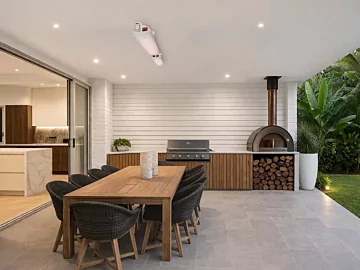
Radiant Heaters
Warmth, without compromise
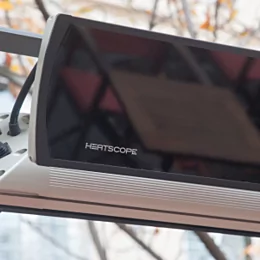
Radiant heaters deliver targeted warmth with even heat distribution, with no drafts and no cold spots, creating a quiet, allergy‑friendly ambience indoors and out. Engineered with infrared technology, HEATSCOPE® radiant heaters pair energy‑efficient performance with refined design, offering fast, comfortable heat and lower running costs for contemporary spaces.
Models
Showing 5 items of 5
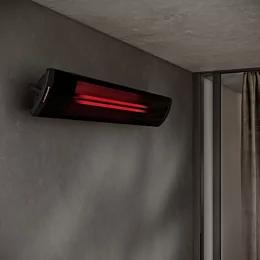
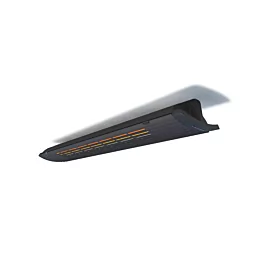
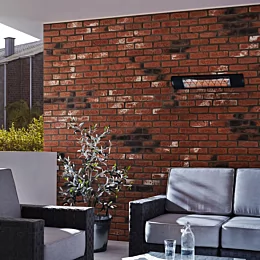
Spot 1600W Electric Radiant Heater
Spot 2800W Electric Radiant Heater
Vision 3200W Electric Radiant Heater
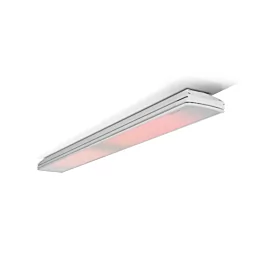
Pure+ 3000W Electric Radiant Heater
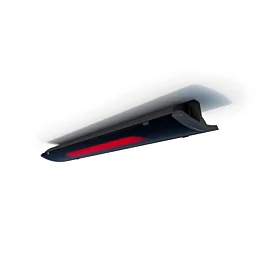
Next 3000W Electric Radiant Heater
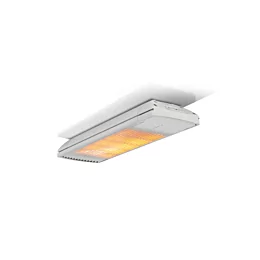
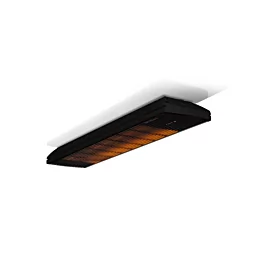


Loading image...

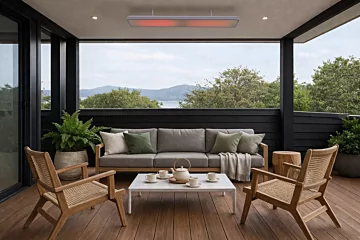
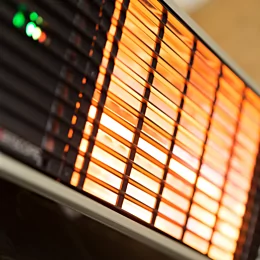
Carbon spiral heating technology
Dual carbon heating spirals power our radiant heaters with reduced visible light and a naturally cosy feel.
Loading image...


Energy‑efficient radiant heaters
HEATSCOPE radiant heaters convert 90–94% of energy into ambient warmth for low running costs and high comfort.
Loading image...

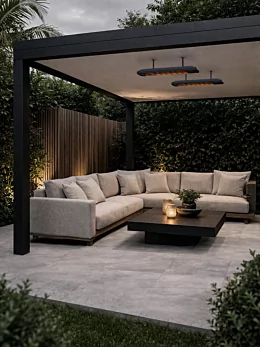
Rapid heat‑up times
Spot radiant heaters reach full output in about 15 seconds; Pure and Vision models ramp quickly owing to the glass‑ceramic front.
Two‑stage output control
Radiant heaters with 50% and 100% output modes via remote or hardwire for precise zone heating and energy optimisation.
Loading image...

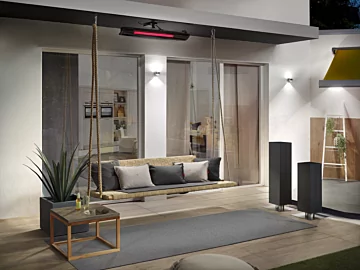
Outdoor‑ready IP protection
Pure radiant heaters are IP65 rated for exposed installs; Spot and Vision are IP24 for well‑covered areas.
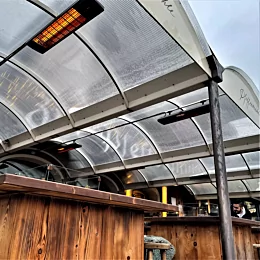
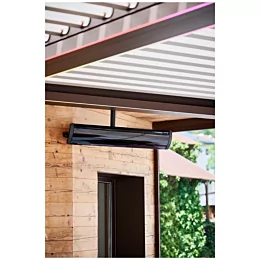
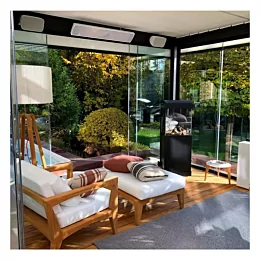
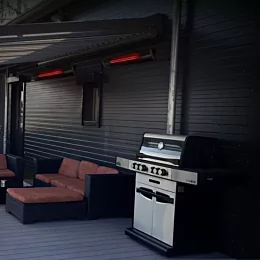
Styled by Our Clients
Loading image...
Loading image...
Loading image...
Loading image...

Loading image...
Loading image...
Loading image...
Loading image...
Learn More
Radiant Heaters
Outdoor Radiant Heaters
FAQ's
What types of outdoor radiant heaters are available?
Heatscope offers four ranges of weather-resistant electric infrared heaters, each engineered for different settings and design preferences. All use double carbon heating elements with two-stage output control and come in black or white with optional extension rods.
The Spot is the most compact, available in 1,600W or 2,800W, ideal for smaller spaces and directional warmth. Its ceramic glass front delivers radiant efficiency above 94%, with an IP24 rating suitable for covered outdoor areas.
The Pure Plus is the most weather-resistant in the range, rated IP65 for fully exposed outdoor installation. This 3,000W heater features a convex glass-ceramic front and won a Red Dot Design Award in 2018.
The Vision produces the highest output at 3,200W and runs the longest at 1,661 mm, creating ambient atmosphere alongside substantial warmth. Its minimal visible light (300 lm) suits settings where you want heat without visual prominence. It’s rated IP44.
The Next suits transitional spaces, including semi-enclosed terraces or indoor/outdoor transitions. Its 3,000W output and swivel-joint mount offer directional flexibility; its slim aluminium body fits tighter design schemes. It’s rated IP25.
All ranges include a 2-year warranty and optional ZigBee smart control.
What is infrared radiant heating technology?
Infrared radiant heating technology uses direct heat transfer: electromagnetic waves deliver warmth from the heater to people and surfaces, bypassing the surrounding air entirely. HEATSCOPE radiant heaters emit mid-wave infrared radiation that is absorbed by solid objects (people, floors, surfaces) on contact. Because air is largely transparent to these wavelengths, warmth is not lost to wind, draughts, or dispersal in open spaces.
Mid-wave infrared is quickly absorbed by solid surfaces and skin, replicating the natural sensation of direct sunlight without heating the air around you. HEATSCOPE's dual carbon spiral heating elements emit this radiation through ceramic glass fronts with minimal visible light, delivering quiet, directed warmth. Designed to German engineering standards, this technology performs consistently indoors and in exposed outdoor environments.
What is the difference between a radiant heater and a convection heater for outdoor use?
Weather-resistant radiant heaters warm people and surfaces directly through infrared waves, while convection heaters warm the surrounding air, making radiant the practical choice for outdoor use. Air is largely transparent to mid-wave infrared, so the energy travels through open space and is absorbed by skin, tables, floors and nearby objects, much like warmth from the sun on a cool day.
Convection relies on still air to build a pocket of warmth around you. Outside, that pocket drifts away on the first breeze, taking comfort with it.
Heatscope's carbon spiral technology converts up to 94% of its energy into directed infrared heat, so warmth holds its focus even in exposed patios, courtyards and open-fronted venues. Start-up is near-instant, and because there is no flue or ventilation requirement, placement follows the design of the space rather than the other way around.
How do I choose between the Heatscope Spot, Pure, Vision, and Next models?
The Pure Plus suits fully exposed outdoor installations, Vision minimises visible light for sheltered alfresco dining, Next covers semi-open and indoor-outdoor transitions, and Spot provides compact, targeted directional warmth. Weather-resistant requirements are the primary filter.
Pure Plus is the definitive choice for open-air patios, pool surrounds, and unroofed terraces. It carries the highest weatherproof rating in the range (IP65) and uses a convex SCHOTT NEXTREMA glass-ceramic front that spreads sun-like warmth evenly while softening the visible glow.
For covered alfresco rooms, loggias, and sheltered dining zones where atmosphere matters alongside warmth, Vision is the model to consider. Its ceramic glass front reduces visible light to a minimum, creating the most ambient footprint of the range at 3,200W, the highest heat output in the lineup.
Next suits semi-open terraces, verandahs, and spaces that shift between indoor and outdoor use. Its slim aluminium profile fits flush to wall and ceiling surfaces without visual bulk.
Spot concentrates directional infrared on a specific zone, a balcony, a covered nook, or a set of seats, and comes in two output levels to match the space.
Every range includes two-stage output control and a 2-year warranty. ZigBee smart control is available as an optional accessory on most models.
What is radiant heating and how does it work?
Radiant heating is the direct transfer of thermal energy from a heat source to solid objects and people using electromagnetic waves, without heating the surrounding air. Heatscope electric radiant heaters emit mid-wave infrared radiation from their carbon heating elements; this energy travels directly through space like sunlight, warming surfaces, bodies, and furniture beneath them rather than heating the air in between.
The mechanism is precise: electric current energises carbon spirals, which glow and emit infrared waves. These waves are absorbed directly by skin and surfaces, creating pleasant, enveloping warmth. Because the heat travels to objects rather than dispersing into air, 87–94% of input electricity converts into usable ambient heat, substantially more efficient than convection-based systems. The directional nature of radiant heat makes it effective even in windy or draughty outdoor conditions, where air-based heating fails. Full warmth output arrives in as little as 15 seconds.
What is two-stage output control on HEATSCOPE® heaters?
Two-stage output control lets weather-resistant HEATSCOPE radiant heaters switch between 100% and 50% power, so you can match heat delivery to conditions without turning the heater off. On a mild evening, 50% output keeps a patio comfortable while roughly halving energy draw; on colder nights, full power delivers the direct infrared warmth the heaters are engineered for.
The two levels are switchable from a wall switch, an included or optional 2-step infrared remote, or, with a WiFi wall switch, a smartphone and voice assistants like Alexa and Google Assistant. One remote can pair with multiple heaters, which is useful across larger covered areas or split zones in a restaurant or bar setting where different sections need different heat levels at once. ZigBee accessories extend this further on select models for motion-triggered or scene-based control.
Because HEATSCOPE heaters draw significant power at full output, the levels are fixed at 50% and 100%; a standard dimmer is not compatible. That fixed step is deliberate. It protects the heating elements and keeps infrared output stable and efficient at both settings.
How many amperes do HEATSCOPE® radiant heaters draw?
- HEATSCOPE® radiant heaters draw between 6.96 and 13.91 amperes at full power, depending on the wattage rating of your model. The Spot 1600W draws 6.96A; the Spot 2800W draws 12.17A; the Vision 3200W and Pure 3000W both draw approximately 13A at 100% power.
All HEATSCOPE® models operate on 220–240V single-phase supply at 50–60Hz. Most models feature dual power stages, which means you can also run them at 50% power; at this setting, the current draw reduces proportionally. For example, a Vision 3200W operating at 50% would draw roughly 6.95A instead of the full 13.91A.These specifications are essential for circuit planning. Confirm your installation supports the required amperage with a qualified electrician before commissioning the heater.
Which HEATSCOPE® radiant heater is best for my space?
The best HEATSCOPE radiant heater for your space depends on three practical factors: the location's exposure to weather, the size of the zone you're heating, and your aesthetic preference.
If your space is fully exposed to outdoor elements, such as a rooftop, deck, or open patio, the Pure Plus model's IP65 rating and all-weather design make it the most resilient choice. For semi-covered areas like sheltered patios or balconies, the Spot delivers compact, rapid heat-up (under 15 seconds) across an 8 m² zone, or choose the Vision for larger spaces needing 11 m² coverage with minimal light output from the ceramic glass front.
Consider how you experience the space. The Spot and Vision both offer IP24 weather protection, whilst the Spot's smaller form factor suits intimate areas and the Vision's 1,661 mm width creates a more substantial focal point. All three operate at dual 50/100% power settings and deliver heat in 15-60 seconds depending on the model.
Discuss your specific location, intended installation position, and aesthetic priorities with our specialists, who will recommend which model aligns with your project needs.
What does the IP rating on a radiant heater mean, and why does it matter for outdoor use?
An IP rating certifies how effectively a radiant heater sustains direct heat transfer over its service life by specifying the sealed housing's resistance to solid intrusion and water. Defined by international standard IEC 60529, the code uses two digits: the first (0-6) grades protection against solids, from stray objects through to fine dust; the second (0-9) grades protection against water, from vertical drips through to pressurised jets. For outdoor use, both digits carry real weight.
The water digit gets most of the attention, but the solid digit is what determines how the heater copes with airborne dust, pollen, salt spray and fine grit, precisely the particles that settle on electrical components in coastal, windy or bushfire-prone sites. A higher first digit protects the heating element and internal wiring from the kind of gradual ingress that shortens service life long before water does.
HEATSCOPE ranges span IP24 to IP65, so the relevant question is not whether a heater is 'outdoor rated' but which pairing of digits suits the specific exposure. Matching the rating to the site protects performance, warranty validity, and the consistent direct heat transfer the infrared element is engineered to deliver.
Can outdoor radiant heaters be used in the rain?
Yes, Heatscope radiant heaters can be used in the rain, though suitability depends on your model's weather protection rating. Our heaters are engineered with IP ratings that specify their water-resistance capability, allowing us to rate them for different outdoor conditions.
Our highest-rating models carry IP65 certification, meaning full protection against dust and direct water jet spray, suitable for fully exposed outdoor installations without shelter. Other models in our range achieve IP25 to IP24 ratings, which provide splash-water protection and work best in partially covered areas such as patios with an overhang or pergola.
Beyond the IP rating, installation technique enhances durability. A slight downward mounting angle helps water run clear of electrical components. Positioning the heater under an eave or pergola extends the usable season, even for splash-rated models, letting you heat covered outdoor spaces across rainy months. All Heatscope heaters undergo rigorous German engineering testing protocols that validate weather performance. Check your specific model's IP rating when selecting an installation location to ensure the right match for your space's exposure.